

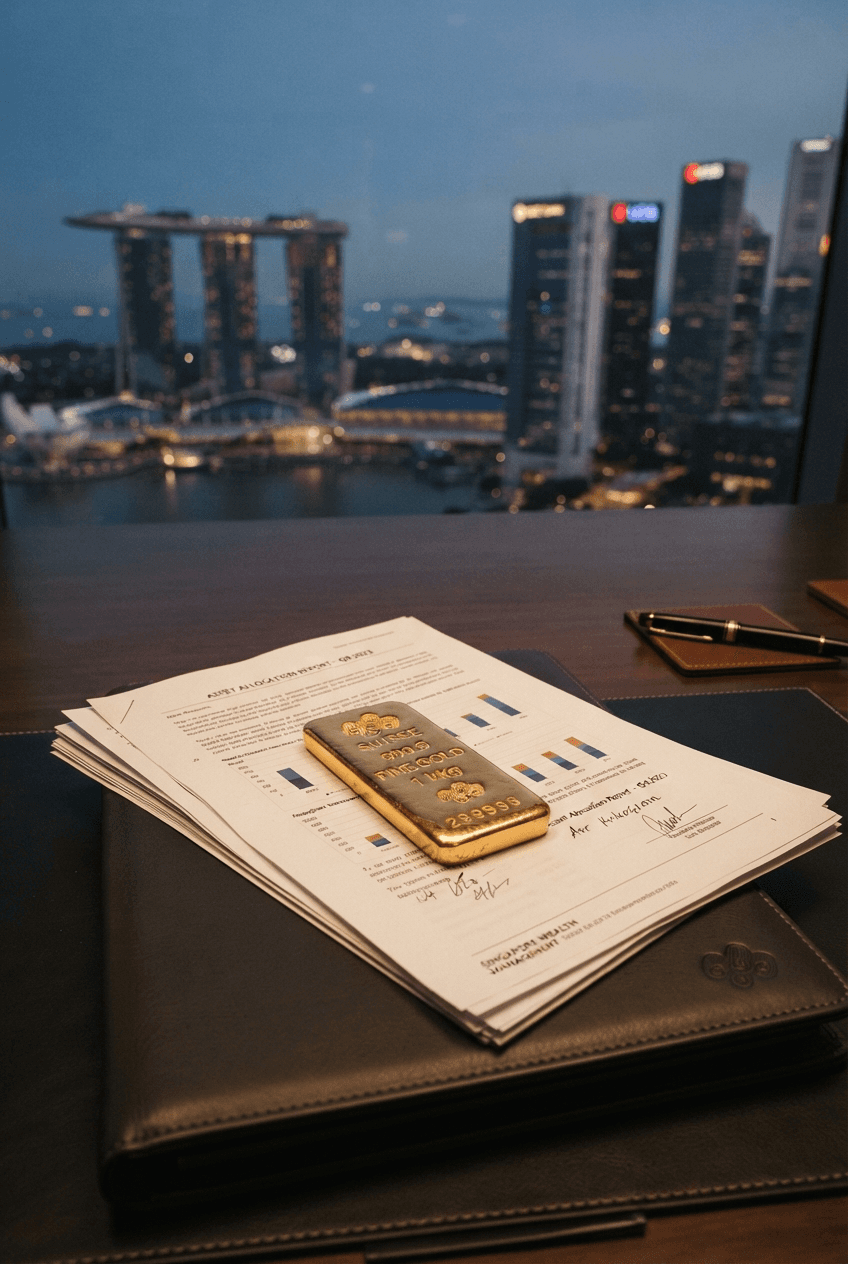
How Singapore's IPM tax exemption anchors the region's bullion demand
Since October 2012, Investment Precious Metals have been exempt from GST in Singapore — the quiet policy lever that turned the city into an Asian bullion hub.
Big Deal
Big Deal atelier
Ask a bullion dealer in Zurich, Dubai, or Hong Kong which single piece of Southeast Asian policy has done the most to reshape their trade flows over the past decade, and the answer is usually the same: Singapore's decision, effective 1 October 2012, to exempt qualifying Investment Precious Metals — IPM — from Goods and Services Tax.
Before 2012, a Singapore buyer of a 1 kg bar paid the prevailing GST rate on top of the metal's spot value. That single line item was enough to push most physical demand offshore, particularly toward the older Hong Kong and Dubai markets. After the exemption, physical gold, silver, and platinum meeting the IPM criteria became transactable in Singapore at parity with major refining centers.
What counts as IPM
The exemption is narrow by design. To qualify as IPM, a piece must be a bar, ingot, wafer, or coin that meets a minimum fineness and is of a form typically traded on international bullion markets. For gold, that means 99.5% fineness or higher. Jewelry, ornamental gold, and pieces struck below the fineness threshold remain taxable in the ordinary way.
- Gold — 99.5% (995) fineness or higher, in bar, ingot, wafer, or qualifying coin form.
- Silver — 99.9% (999) fineness or higher, in the same qualifying forms.
- Platinum — 99% (990) fineness or higher.
- Refiner or brand must appear on the LBMA Good Delivery list or an equivalent recognized list.
Why it matters for a Singapore saver
For an individual buyer, IPM status is what makes a 999.9 fine cast bar economically comparable to holding an equivalent value in an offshore vault. There is no tax drag on entry, and no tax event on eventual sale — the piece behaves closer to a currency than a consumer good.
For dealers, the policy created a viable market for onshore refining, hallmarking, and vaulting. The Singapore FreePort and adjacent bonded facilities were built into that opening. Two decades later, a growing share of Asian family-office bullion allocations settle in Singapore for the same reason: physical delivery, at parity with the international bid, without a tax event to reconcile.
The atelier's read
IPM is not a subsidy. It is the removal of a friction that most Western jurisdictions never applied to bullion in the first place. But by explicitly codifying the exemption — and enforcing the fineness and form requirements strictly — Singapore made the market predictable for both retail and institutional buyers.
For our part, every cast bar that leaves the atelier is struck at 999.9 to sit comfortably on the IPM side of the line. That is deliberate. It means the piece works the same on day one as on day one thousand, whether it is stored in a home safe in Bukit Timah or lodged in a bonded vault a kilometer from Changi.
“The exemption changed nothing about the metal. It changed everything about the market around it.”
KEEP READING
More from the atelier
Craft
8 July 2026 · 8 min read
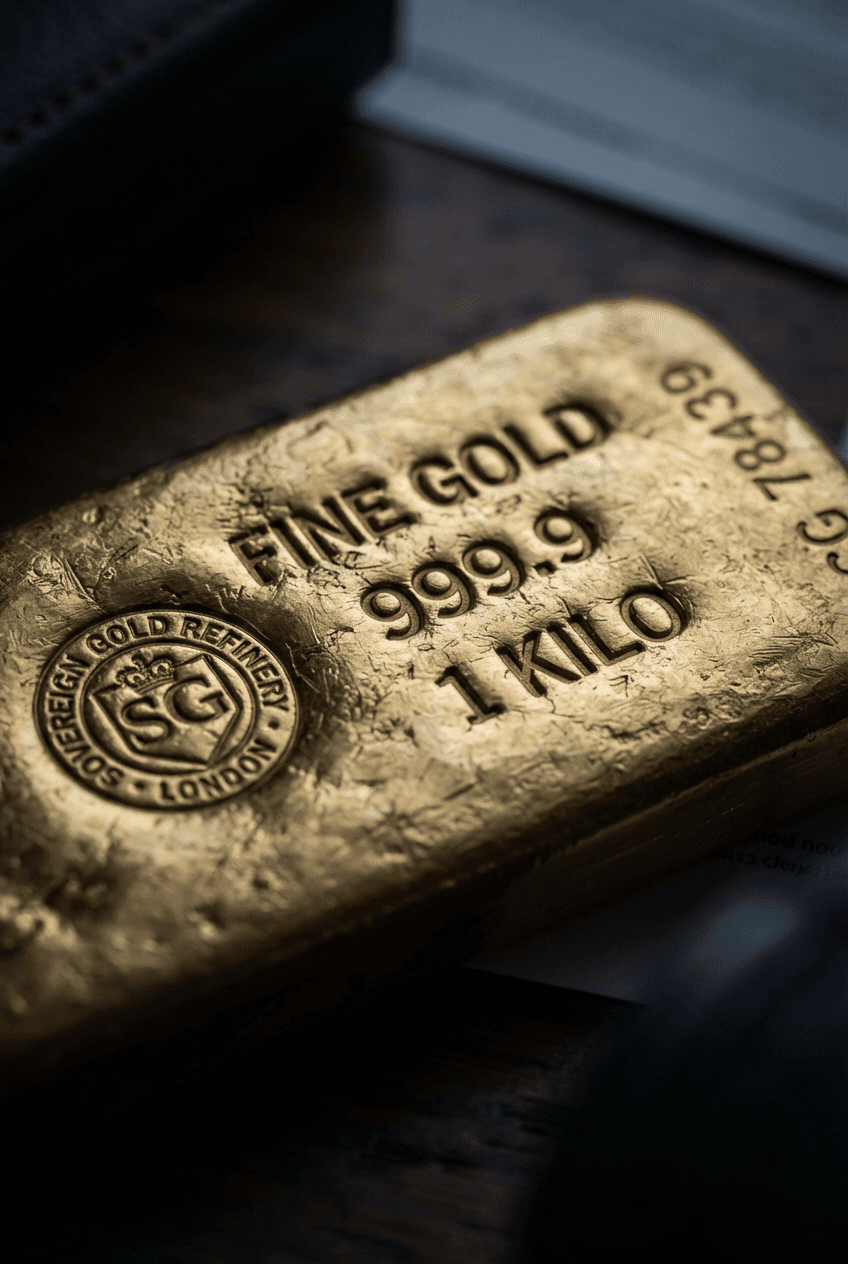
Reading the assay: what 999.9 really guarantees
Four nines fine is a chemistry claim, an audit claim, and a chain-of-custody claim — and each one is proven differently. A walk through what an assay card actually attests to.

Market
19 June 2026 · 7 min read
Gold's role in a defensive Singapore portfolio
A practical view on how physical bullion sits alongside cash, SGS bonds, and equities in a Singapore-dollar-denominated portfolio — and where the friction points are.

Infrastructure
30 May 2026 · 5 min read
The vault economy: why physical gold sits in Singapore
The Singapore FreePort, bonded warehouse rules, and a jurisdictional read on property rights explain why an increasing share of Asian bullion is stored here rather than shipped through.